
[back]
Our DIGSUM Seminars take place over lunch, monthly at Umeå University.
We hope to see you on location, but you are also welcome to join via Zoom (https://umu.zoom.us/j/67690806973, meeting ID: 676 9080 6973)
All students, researchers, and interested colleagues are warmly welcome!
To keep updated, subscribe to our newsletter.
Seminar schedule – autumn term 2026
|
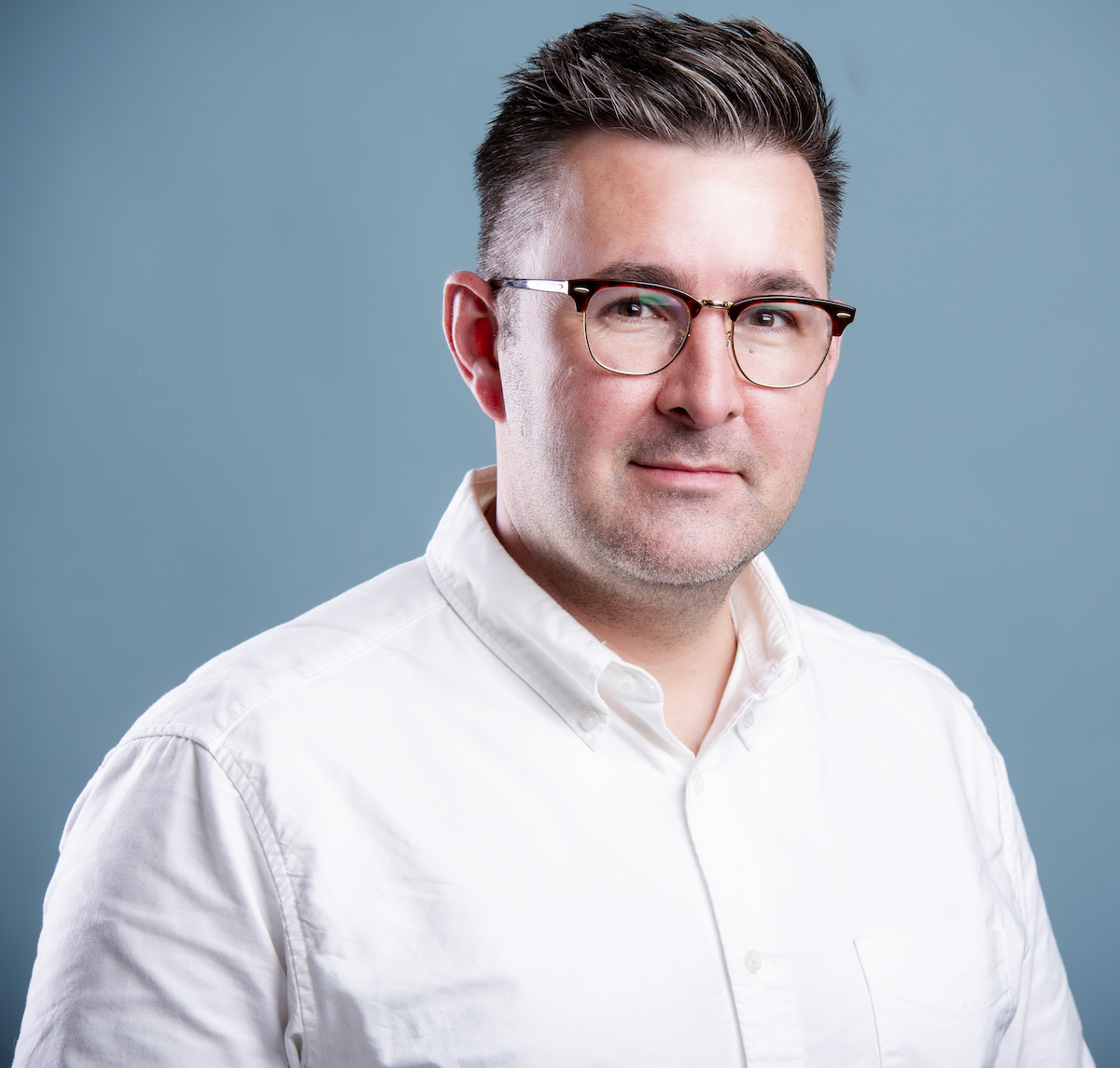
SimPolitics: America’s Quest to Solve Politics with Computers October 1 (Thursday), 12:15 – 13:00 Fenwick McKelvey, Concordia University, CAN
Abstract Drawing on novel archival and historical research, McKelvey’s book recounts the history of efforts to simulate politics by building models of elections, voters, and international relations. Comparing attempts in the United States to simulate domestic electoral politics and international affairs, he reveals the unexamined connections and conflicts between the two projects. His book provides a helpful guide to taking stock of exaggerated claims that AI and technology will fix politics, while presenting the long history of such promised technological fixes.
Bio |

|
Towards a novel framework for robot literacy among adults October 15 (Thursday), 12:15 – 13:00 in Humlab Päivi Rasi-Heikkinen, University of Lapland, FIN
Abstract
Bio |
|
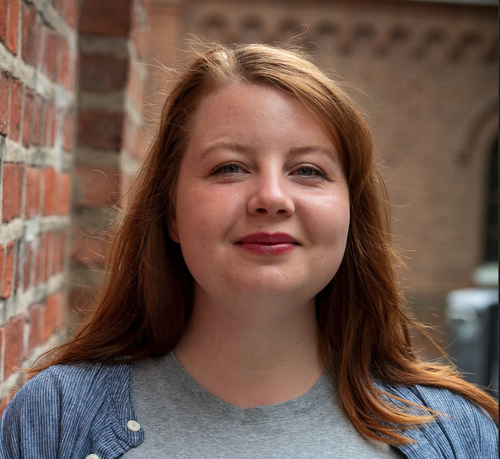
Darknet and the rise of dead drops – the Swedish condition November 5 (Thursday)
, 12:15 – 13:00 Tove Westberg, Lund University, SWE Co-hosted with FODI at Mid Sweden University
Abstract
Bio |
|
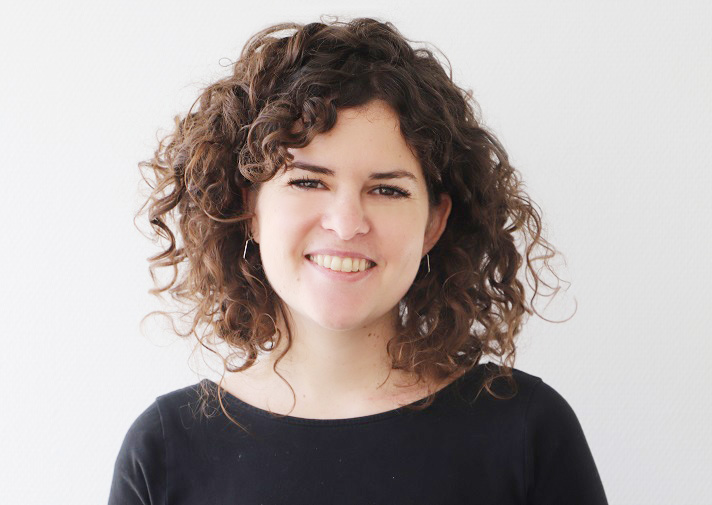
The influence of Russian state-controlled narratives on alternative Italian news outlets November 26 (Thursday), 12:15 – 13:00 in Humlab Ilaria Vitulano, Freie Universität Berlin / Weizenbaum Institute, GER
Abstract
Bio |
Previous DIGSUM Talks and Seminars
17 Sep 2026 || Vihang Jumle; University of Bern: Has orientalism travelled beyond the West? A study of social media discourses surrounding the August 2020 riots in Sweden
10 Sep 2026 || Paul Dodemaide; Victoria University: Therapeutic and nontherapeutic uses of social media for young adults: Informing social workers and mental health clinicians working with young adults and their families
28 May 2026 || Daniela Jaramillo-Dent; University of Zürich: Platformed visual (Im)mobilities
23 Apr 2026 || Paul Schmidt; Umeå University: Quantity, Repetition and Affect - The Making of Security on Social Media
26 Mar 2026 || Silvia Caretta; Uppsala University: Inside Europe’s shift in platform governance
26 Feb 2026 || Belma Isakovic; Örebro University: Technology-facilitated sexual violence against adolescent and young-adult women
19 Sep 2025 || Katarina Winter; Stockholm University: The dark side of mundanity in security technologies (DIGSUM symposium 2025: https://www.digsum.org/dda)
19 Sep 2025 || Jens Alvén Sjöberg; Linnaeus University: Swedish Police's Social Media – A gray area (DIGSUM symposium 2025: https://www.digsum.org/dda)
19 Sep 2025 || Oscar Rantatalo; Umeå University: Policing online child sexual abuse (DIGSUM symposium 2025: https://www.digsum.org/dda)
19 Sep 2025 || Nina Sunde; Norwegian Police Academy: Synthetic or Authentic? – The Evidentiary Challenges of Deepfakes (DIGSUM symposium 2025: https://www.digsum.org/dda)
19 Sep 2025 || Moa Eriksson Krutrök; Umeå University: Crisis in the Feed: Platformed Misinformation After the Örebro School Shooting (DIGSUM symposium 2025: https://www.digsum.org/dda)
19 Sep 2025 || Xénia Farkas; Umeå University: Negative campaigning and mobilization through visual disinformation (DIGSUM symposium 2025: https://www.digsum.org/dda)
19 Sep 2025 || Mathilda Åkerlund; University of Gothenburg: Cumulative disinformation through citation (DIGSUM symposium 2025: https://www.digsum.org/dda)
19 Sep 2025 || Jing Zeng; University of Zurich: Dark Platforms: Not Just a Problem to Be Solved (Keynote, DIGSUM symposium 2025: https://www.digsum.org/dda)
18 Sep 2025 || Samuel Merrill; Umeå University: Tinker, Teamer, OSINT Spy: Towards a Typology of Antifascist Doxxers (DIGSUM symposium 2025: https://www.digsum.org/dda)
18 Sep 2025 || Jannice Käll; Lund University: Spaces beyond control? A posthuman perspective on the regulation of digital spaces (DIGSUM symposium 2025: https://www.digsum.org/dda)
18 Sep 2025 || Markus Naarttijärvi & Ingvild Bruce; Umeå University / Norwegian Police Academy: Conceptualizing Digital Force – Police hacking in Sweden, Norway and the Netherlands (DIGSUM symposium 2025: https://www.digsum.org/dda)
18 Sep 2025 || Zakayo Kjellström; Independent: Shadow libraries: Academic publishing as an oligopoly (DIGSUM symposium 2025: https://www.digsum.org/dda)
18 Sep 2025 || Erica Bergkvist; Umeå University: Forbidden Fields: The Selling and Buying of Women's Bodies Through Online Brothels (DIGSUM symposium 2025: https://www.digsum.org/dda)
18 Sep 2025 || Tove Gustavsson; Lund University: Shame and Sanction: Social Control Practices in Darknet Communities (DIGSUM symposium 2025: https://www.digsum.org/dda)
18 Sep 2025 || Felicia Lundstedt; Umeå University: Making Sense of Senseless Violence: Introducing the '764 Network' (DIGSUM symposium 2025: https://www.digsum.org/dda)
18 Sep 2025 || Bethan Jones; Cardiff University: This is part one of our story: AI true crime content on TikTok (DIGSUM symposium 2025: https://www.digsum.org/dda)
18 Sep 2025 || Lisa Kaati; Stockholm University: When Words Become Warnings: Assessing Threats in Online Spaces (DIGSUM symposium 2025: https://www.digsum.org/dda)
18 Sep 2025 || Lucia Bainotti; University of Amsterdam: Swap, Undress, Generate: The role of AI in Facilitating Image-based Sexual Abuse (Keynote, DIGSUM symposium 2025: https://www.digsum.org/dda)
11 Apr 2025 || Dalia Ortiz Pablo & Maria Skeppstedt; Uppsala University: Webscraping and Text Visualisation (Workshop)
4 Apr 2025 || Thomas Mejtoft; Umeå University: Empowering Learning with AI by Navigating Challenges and Opportunities
28 Feb 2025 || Samuel Merrill, Rik Smit & Thomas Smits; Various: Stochastic Remembering and Distributed Mnemonic Agency
29 Jan 2025 || Thomas Nygren; Uppsala University: Artificial Intelligence in Schools—Educational Challenges and Opportunities
28 Jan 2025 || Frans Mäyrä; Tampere University: The Future of Game Culture in Society
29 Nov 2024 || Amanda Lagerkvist; Uppsala University: Parsing the AI Apocalypse
22 Nov 2024 || Cornelia Brantner; Karlstad University: How Sourcing Behaviors of Generative AI-powered Search Engines Could Hurt Journalism and Democracy
19 Oct 2024 || Helen Kennedy; University of Sheffield: What Does a Good Digital Society Look Like? (Honorary Doctor lecture)
12 Sep 2024 || Markus Naarttijärvi & Therese Enarsson; Umeå University: Researching the hidden digital structures (DIGSUM symposium 2024: https://www.digsum.org/mx4)
12 Sep 2024 || Mathilda Åkerlund; Umeå University: The messiness of platforms and data (DIGSUM symposium 2024: https://www.digsum.org/mx4)
11 Sep 2024 || Eva Mårell Olsson, Fanny Pettersson & Ola J. Lindberg; Umeå University: Researching the digital in school and education — Can data be FAIR? (DIGSUM symposium 2024: https://www.digsum.org/mx4)
11 Sep 2024 || Linda Mannila; Helsinki University: AI Literacy — what and for whom? (DIGSUM symposium 2024: https://www.digsum.org/mx4)
11 Sep 2024 || Moa Eriksson Krutrök & Simon Lindgren; Umeå University: Workshop on digital research methodologies (DIGSUM symposium 2024: https://www.digsum.org/mx4)
11 Sep 2024 || Simon Lindgren; Umeå University: Mess, myths, madness (DIGSUM symposium 2024: https://www.digsum.org/mx4)
29 May 2024 || André Jansson; Karlstad University: Searching for the selfie spot: On geomedia and logistical lives
19 Apr 2024 || Therese Enarsson; Umeå University: AI moderators and human contextuality
22 Mar 2024 || Pasko Kisic Merino; Karlstad University: Anxiety as Ideology: Longtermism, Pro-Natalism, and the Normalisation of the Far-Right's 'Great Replacement' in the Mythos of Silicon Valley
9 Feb 2024 || Thomas Hellström; Umeå University: AI and the written word
10 Nov 2023 || Astri Moksnes Barbala; SINTEF: Willful subjects in the platform society: Feminist activism and user agency on Instagram
19 Sep 2023 || Anne Kaun; Södertörn University: On Prisons, Welfare Service Centers, and Public Libraries: Interfaces and Backends of the Digital Welfare State
21 Apr 2023 || Martin Berg; Malmö University: Duct-tape solutionism in public automation: Repairing for emergent futures (that might not come)
4 Mar 2022 || Jessie Daniels; Hunter College: Combatting the Far Right: In the Streets, Online and around the World
Oct 2021 || Pieter Verdegem; University of Westminster: AI for Everyone? Critical Perspectives
29 Apr 2021 || Chris Bail; Duke University: Breaking the Social Media Prism: How to Make our Platforms Less Polarizing (DIGZOOM)
15 Apr 2021 || Brooke Foucault Welles; Northeastern University: **Voice, Attention, and (In)Equality: Connecting Online Talk to Political and Civic Change (DIGZOOM)
8 Apr 2021 || Deen Freelon; UNC Chapel Hill: Hashtag Heroes vs. Disinfo Dystopia (DIGZOOM)
25 Mar 2021 || Hannah Metzler; Complexity Science Hub Vienna: Collective Emotions During the Covid-19 Outbreak (DIGZOOM)
18 Mar 2021 || Sarah T. Roberts; UCLA: Behind the Screen: Content Moderation in the Shadows of Social Media (DIGZOOM)
11 Mar 2021 || Charles Ess; University of Oslo: Should You Kick a Robot Dog? Research Ethics in Human-Machine Communication (DIGZOOM)
4 Mar 2021 || José van Dijck; Utrecht University: Governing Public Values in a Platform Society (DIGZOOM)
25 Feb 2021 || Nick Couldry; London School of Economics: From the Myth of the Mediated Centre to the Myth of Big Data (DIGZOOM)
18 Feb 2021 || Whitney Phillips; Syracuse University: The Apex Predator President: Using Ecological Metaphors to Reframe Harm Online (DIGZOOM)
11 Feb 2021 || Mark Carrigan; Cambridge: Post-Pandemic Scholarship: Some Initial Thoughts (DIGZOOM)
28 Jan 2021 || Zizi Papacharissi; University of Illinois-Chicago: Affective Publics and COVID-19: Solidarity and Distance (DIGZOOM)
30 Nov 2020 || Setsuya Fukuda; National Institute of Population and Social Security Research, Tokyo: AI and the future of unpaid labour
Oct 2020 || Marion Oswald; University of Northumbria: Keynote on law and digital technology (Nordic Cybercrime Conference 2020)
22 Oct 2020 || Magdalena Sjöberg; Umeå University: Digital parenting and the identity work of young mothers
28 Aug 2020 || Ralph Schroeder; Oxford Internet Institute: Digital Media and the Spread of Populism
10 Sep 2019 || Markus Hällgren; USBE, Umeå University: Algorithms we live by
10 Sep 2019 || Karin Danielsson; Umeå University: Beyond the algorithm
10 Sep 2019 || Tomas Blomquist; USBE, Umeå University: The internet of things and AI
10 Sep 2019 || Eva Mårell-Olsson; Umeå University: A.I.D.A. the digital receptionist
10 Sep 2019 || Markus Naarttijärvi; Umeå University: Legality and democratic deliberation in black box policing
10 Sep 2019 || Linus Holm; Umeå University: Curiosity in humans and machines
10 Sep 2019 || Jonny Holmström; SCDI, Umeå University: Linking, decoupling and delegating: artificial intelligence governance in organizations
10 Sep 2019 || Simon Lindgren; DIGSUM, Umeå University: A Social Science Perspective on Artificial Intelligence
8 Mar 2019 || Simon Lindgren; Umeå University: Interpretive Sociology and Critical Digital Methods (Keynote, CDSMR Conference 2019)
8 Mar 2019 || Richard Rogers: Otherwise Engaged: Social Media from Vanity Metrics to Critical Analytics (Keynote, CDSMR Conference 2019)
7 Mar 2019 || Donatella Della Ratta: Shooting a Revolution: Visual Media and Warfare in Syria (Keynote, CDSMR Conference 2019)
7 Mar 2019 || Kylie Jarrett: Drinking the Kool-Aid: Slashies, social reproduction and justification (Keynote, CDSMR Conference 2019)
7 Mar 2019 || Christian Fuchs: Marxist Theory in the Digital Age (Keynote, CDSMR Conference 2019)
6 Mar 2019 || Annette Markham: The ethical importance of critical epistemologies (Keynote, CDSMR Conference 2019)
6 Mar 2019 || Mark Andrejevic: The Bias of Automation (Keynote, CDSMR Conference 2019)
21 Nov 2018 || Jenny Madestam; Södertörn University: Social media in the political process (Symposium: Digitalisation, democracy and participation)
1 Dec 2017 || Anton Törnberg & Petter Törnberg; University of Gothenburg / Chalmers: Complexity and the Digital World
16 Mar 2017 || Elinor Carmi; Goldsmiths, University of London: Rethinking Spam
16 Feb 2017 || Pekka Räsänen; University of Turku: Exposure to online hate among teenagers and young adults
26 Jan 2017 || Anne Kaun; Södertörn University: Data Times: The Temporalities of Digital Media
15 Dec 2016 || Marcin Dekaminski: Opening address (DIGSUM Grand Opening)